The common pin backs
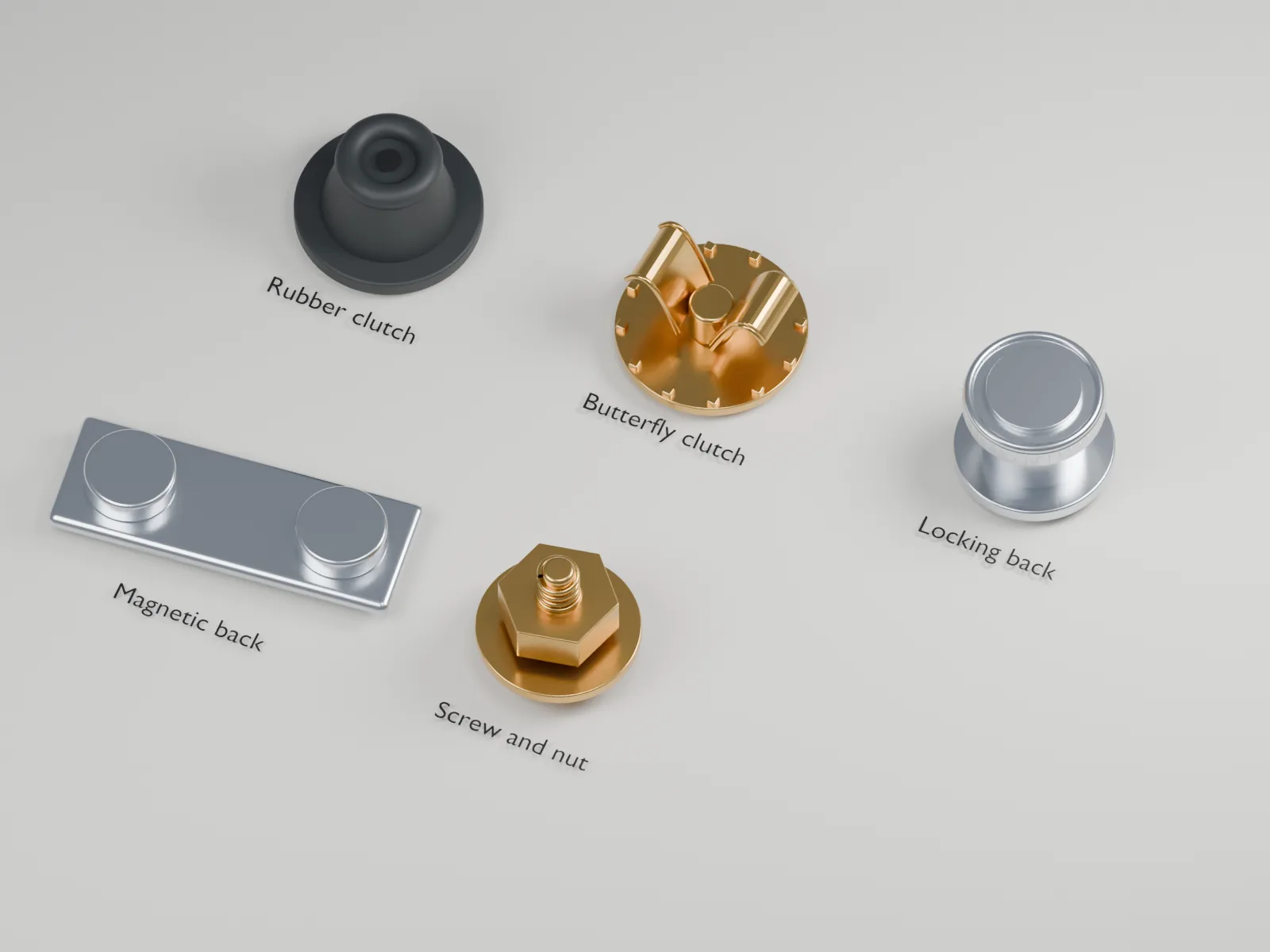
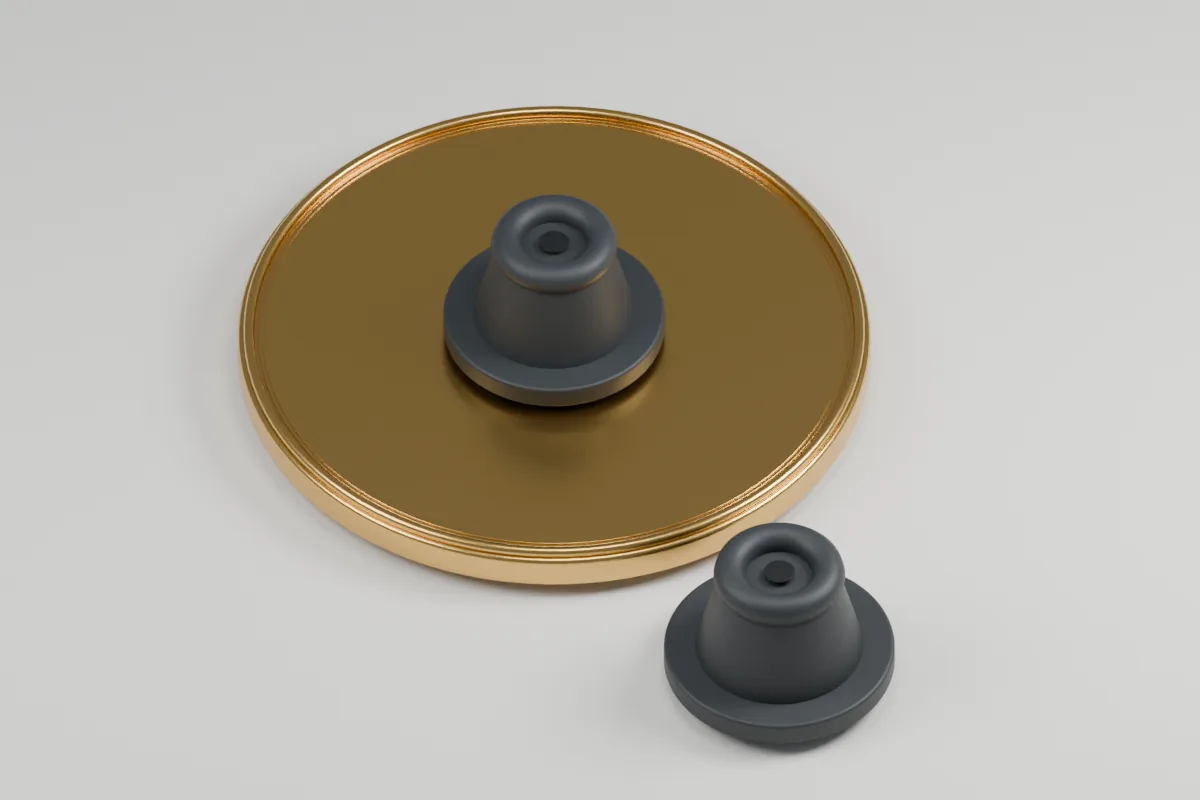
Rubber clutch. A soft rubber or PVC cap that grips the post by friction. Comfortable, cheap, colorful, and the standard on most enamel pins. Holds well on normal clothing; can work loose on bags that get bumped.
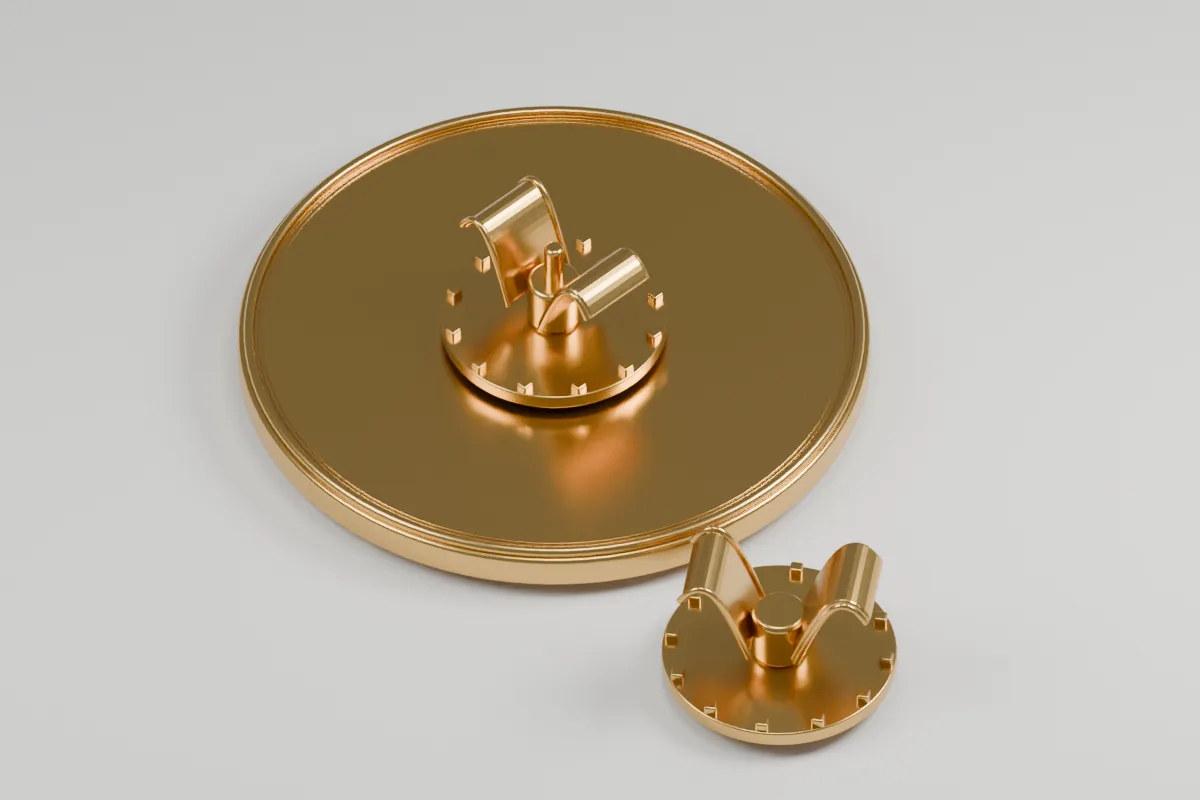
Butterfly clutch (military clutch). A small metal back with two curled wings that pinch the post when you squeeze them. Traditional on military and formal lapel pins. Secure enough for suits; the wings can loosen over time.
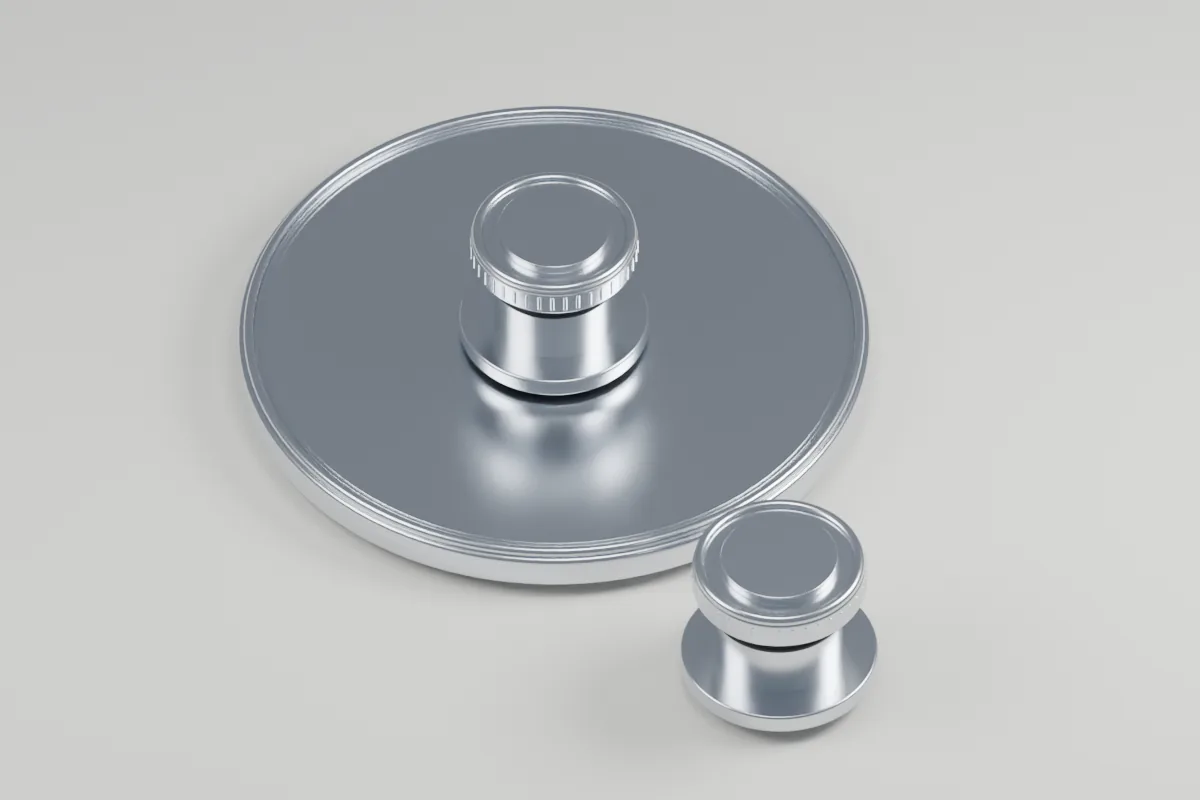
Locking back. A metal back with a spring-loaded lock. It only releases when you pull the collar or, on some styles, loosen a tiny set screw. The most secure everyday back, recommended for backpacks, jackets and collectible pins.
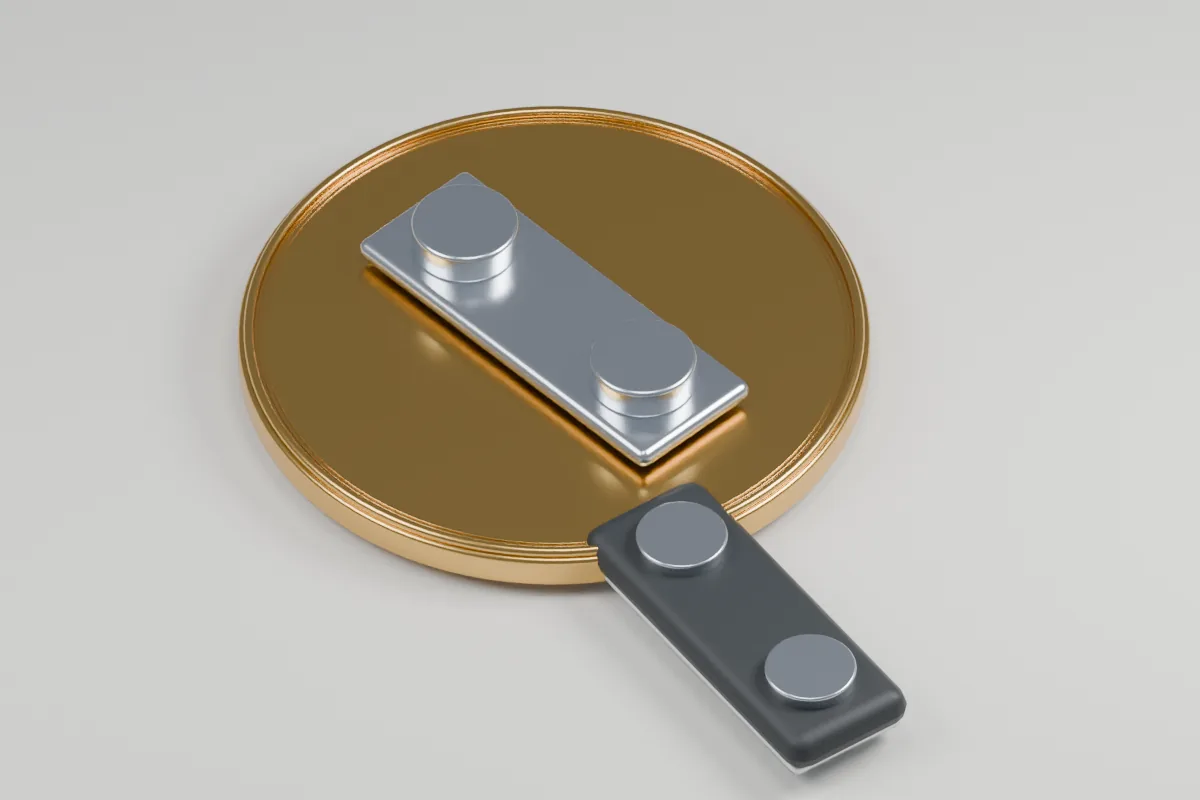
Magnetic back. Two strong magnets hold the pin through the fabric with no hole. Ideal for silk, scrubs and leather; not for thick coats, young children or people with pacemakers. See magnetic pins.
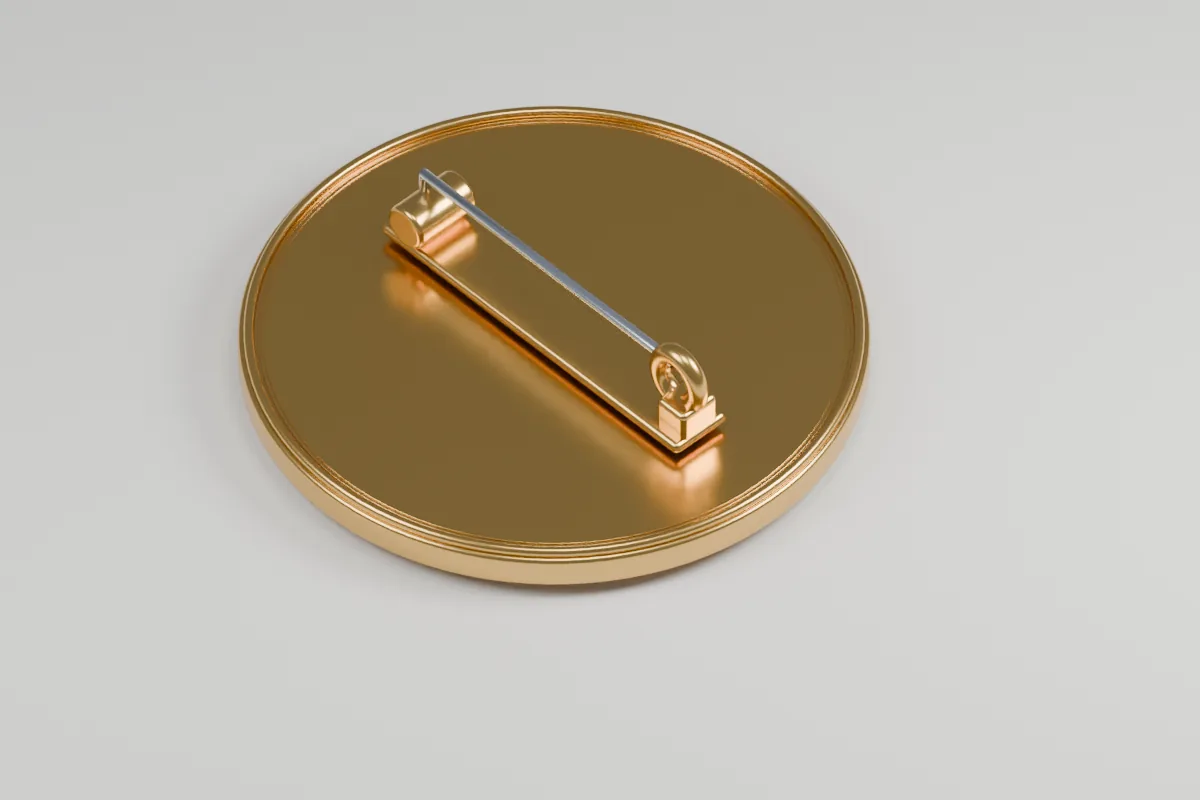
Safety pin back. A hinged pin with a catch, like a brooch. Common on fabric badges and large pins; easy to put on, but it leaves a slightly bigger hole.
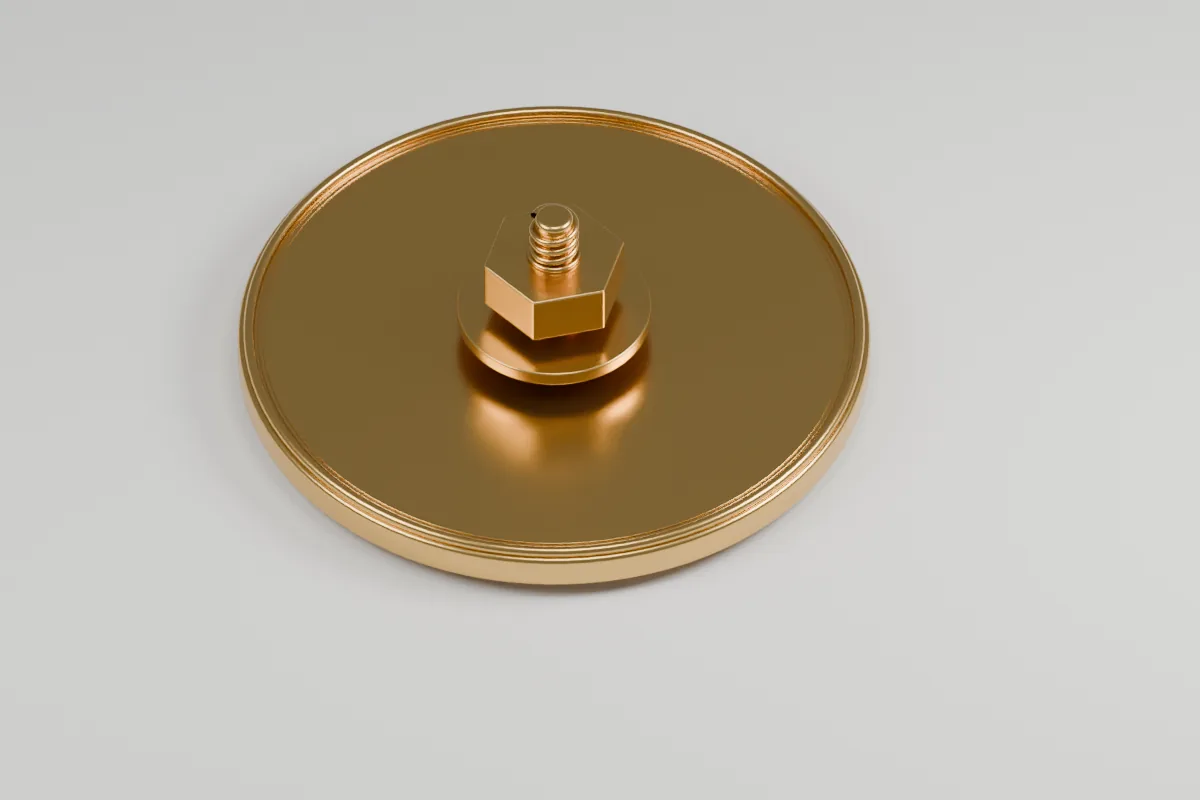
Screw back. A threaded post with a flat nut, used on pins that must never come off, such as hats and work jackets.
Tie tac. A short post with a chain or clutch, used on ties.
Comparison
| Back | Security | Comfort | Leaves a hole | Best for |
|---|---|---|---|---|
| Rubber clutch | Good | Very comfortable | Small | Giveaways, everyday clothes, trading pins |
| Butterfly clutch | Good | Can scratch | Small | Suits, uniforms |
| Locking back | Excellent | Comfortable | Small | Bags, jackets, collectibles |
| Magnetic | Good on thin fabric | Very comfortable | None | Scrubs, silk, leather |
| Safety pin | Good | Comfortable | Larger | Fabric badges, large pins |
| Screw back | Excellent | Bulky | Small | Hats, workwear |
Which back should I choose?
- Will the pin be on a bag or jacket every day? Locking back.
- Is it for a suit or uniform? Butterfly clutch, or locking back for peace of mind.
- Is it for scrubs or delicate fabric? Magnetic, unless the wearer has an implanted medical device.
- Is it a giveaway or a trading pin? Rubber clutch.
- Is it for young children? Rubber clutch; avoid small magnets.
Why pins fall off
Most lost pins are lost because a rubber or butterfly clutch was pushed off by a strap or a seatbelt. Two posts help larger pins stay put. For pins people care about, locking backs are cheap insurance at $0.52 per post. See locking pin backs and clutches.
Can I change the back on a pin I already have?
Usually yes. Most enamel pins use a standard post about 1.2 mm thick, which fits standard rubber, butterfly and locking backs. Locking backs can be added to any order; ask on the quote form. Our guide 30 ways to display enamel pins covers keeping pins safe on bags and boards.
Kinds of locking backs
Collar pull locking backs. Push on to lock; pull up the small collar to release. The most common style, quick to use and very secure.
Set screw locking backs. A tiny screw tightens against the post. Extremely secure, but you need a small hex key to remove it. Popular with serious collectors.
Deluxe clutches. Heavier metal clutches with a stronger spring than a standard butterfly. Not a true lock, but a solid upgrade on formal pins.
How to use a collar pull locking back
- Push the pin through the fabric.
- Press the locking back straight onto the post until it clicks.
- To remove, hold the pin face, pull up the collar of the back, and slide it off.
Do not twist it off; twisting wears the spring.
Backs for children
For young children, a standard rubber clutch is safest and easiest to use. Avoid magnetic backs, which use small, strong magnets that are a swallowing hazard, and avoid set screw backs, which have tiny parts. For very young children, consider PVC pins with a soft front.
Backs for hats and bags
Hats and bags move constantly, so pins on them need locking backs or screw backs. On caps, a short post keeps the pin flat against the crown. See hat pins for more.
Replacing lost backs
Most enamel pins use a standard post about 1.2 mm thick, and standard clutches fit them. Keep a few spare rubber clutches or locking backs in your pin bag. If you are ordering new pins, ask for a few spare backs with your order.
Written by the Enamelore team, who proof every order. Questions about this guide? Email hello@enamelore.com.