Decide what to collect
Collections are more satisfying with a theme: an artist, a place, a sport, a character, a color, a cause, travel souvenirs or pins from events you attended. Themes make it easier to decide what to buy and what to skip.
Where collectors find pins
- Independent artists selling online and at markets and conventions
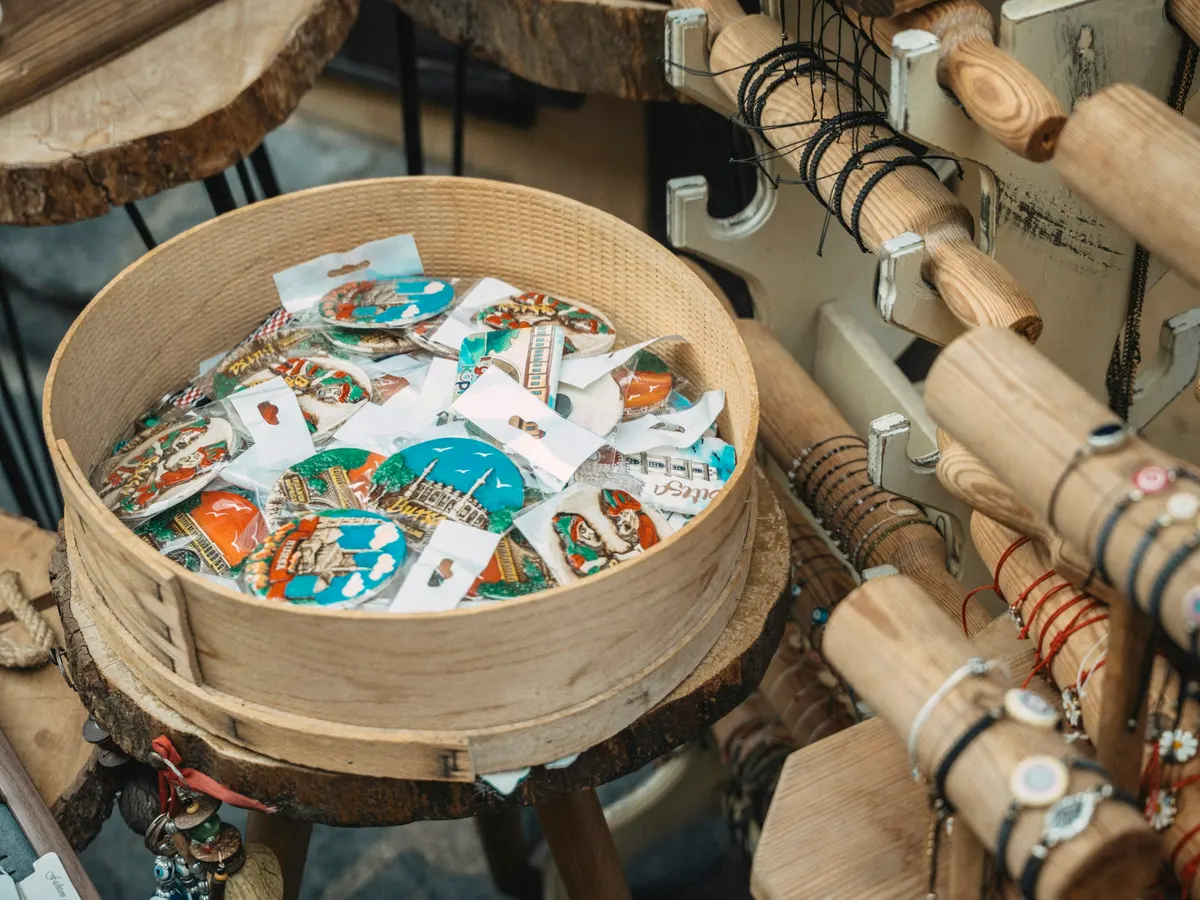
- Gift shops at museums, parks and attractions; see souvenir pins
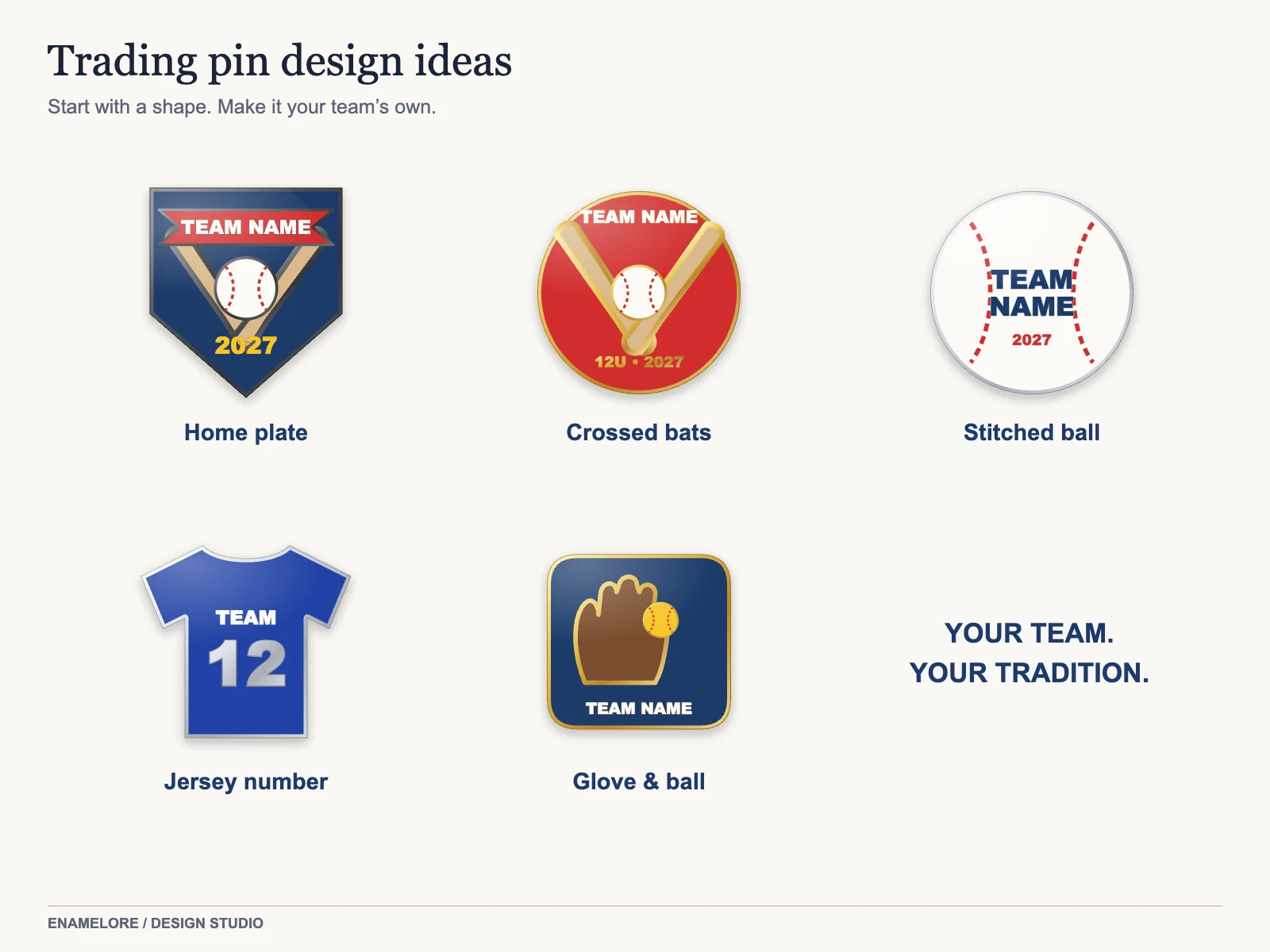
- Events and tournaments, where pins are traded; see trading pins
- Organizations that issue pins for membership, service or awareness
- Collector communities online, where people swap and sell
Limited editions
Many artists release limited runs, often with a number on the back ("23/100"). Limited editions are more collectible, but only if the edition is honest. Look for a numbered backstamp and the artist's statement of the edition size.
Backstamps and quality
Turn a pin over. A backstamp with the artist's name is a sign of an original. Look for clean enamel fill, even plating and secure posts. Our guide soft vs hard enamel explains finishes.
Spotting fakes
Unauthorized copies of popular pins exist. Warning signs: colors that are slightly off, rough edges, missing or blurry backstamps, and prices far below the original. Buy from the artist or authorized sellers when you can.
Storing and showing
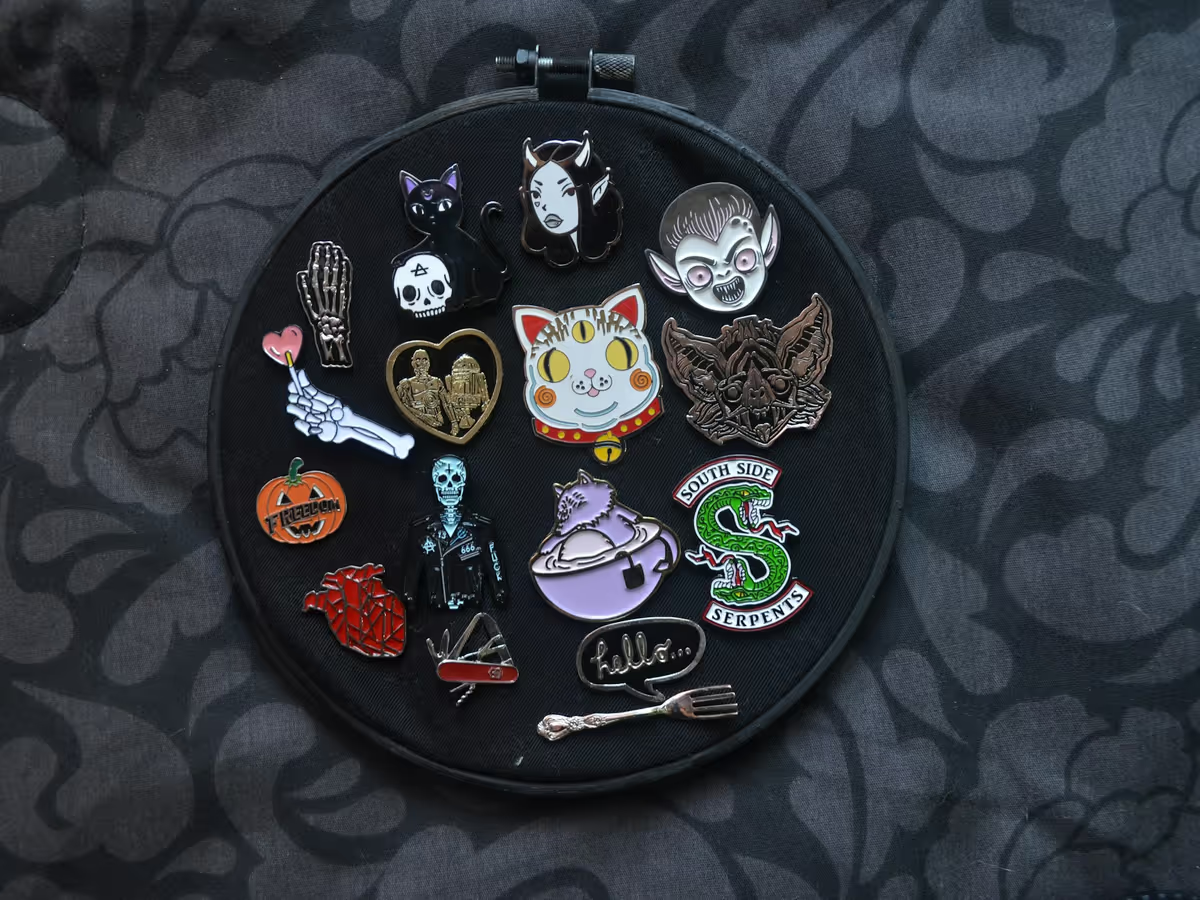
Keep pins on a board, banner or in a pin book, away from sunlight and moisture. See 30 ways to display enamel pins and enamel pin care.
From collector to maker
Many collectors eventually design their own pin. If that is you, start with how to design an enamel pin and how to make enamel pins.
Written by the Enamelore team, who proof every order. Questions about this guide? Email hello@enamelore.com.