What a trading pin is
A trading pin is an enamel pin, usually 1.75 to 2.5 inches, designed by a team to represent itself: the team name, town, colors, mascot and year. Each player gets a supply of the team's pins and trades them one for one with players from other teams. By the end of a tournament, players have a collection of other teams' pins to keep.
Where pin trading happens
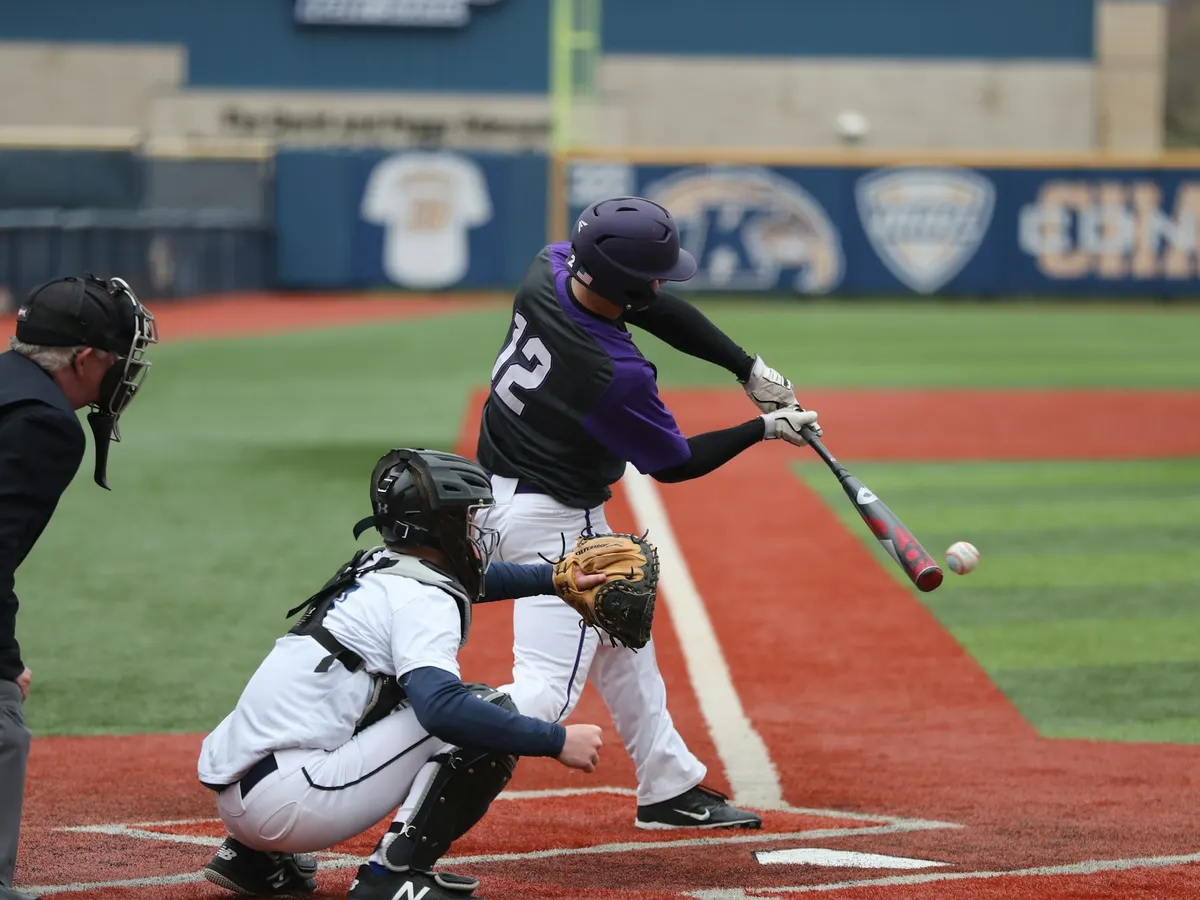
Pin trading is strongest in youth baseball and softball, especially at week-long summer tournaments where teams from many states stay together. It is also common at youth hockey tournaments (particularly international ones), lacrosse festivals, cheer and dance competitions, soccer cups and some volleyball events. Pin trading has long been part of the Olympic Games, and many theme parks and events have their own trading cultures.
Why teams make trading pins
- A tradition kids remember. Trading gives players a reason to meet kids from other teams.
- Team identity. Designing the pin together builds excitement before the trip.
- A souvenir. The team's own pin and the collection they bring home mark the season.
- Sponsor recognition. A local business can sponsor the pins and appear on the back of each pin.
What makes a good trading pin
- Readable team name and town. Kids collect by team and place.
- Size. 2 inches is the most popular for baseball and softball; see trading pin sizes.
- One special feature. Glitter, glow, a cut-out or a rhinestone. Compare them on trading pin add-ons.
- Personality. A mascot in action or a local landmark beats a plain logo.
- The year. It turns a pin into a dated keepsake.
For dozens of concepts, see trading pin design ideas.
How many pins to order
Plan 25–40 pins per player for a week-long tournament and 10–15 for a weekend event, plus pins for coaches, siblings and a few to keep. Our guide how many trading pins do you need has a full table.
What trading pins cost
Soft enamel, per pin, delivered with shipping and duties included:
| Size | 50 pcs | 100 pcs | 200 pcs | 300 pcs | 500 pcs | 1,000 pcs | 2,000 pcs |
|---|---|---|---|---|---|---|---|
| 1.5 in. | $5.90 | $3.95 | $3.00 | $2.60 | $2.20 | $1.70 | $1.50 |
| 1.75 in. | $6.50 | $4.40 | $3.35 | $2.90 | $2.45 | $1.90 | $1.70 |
| 2 in. | $7.10 | $4.85 | $3.70 | $3.20 | $2.70 | $2.10 | $1.90 |
| 2.5 in. | $8.40 | $5.80 | $4.45 | $3.85 | $3.25 | $2.55 | $2.30 |
Price per pin in USD, delivered with shipping and import duties included. Up to 8 colors, a shiny or antique gold, silver or copper finish, rubber clutch (two per pin on pins 1.5 in. and larger) and individual poly bag included.
A typical team order of 300 two-inch pins with glitter and glow costs $1,116.00 delivered. See trading pin prices for more examples.
When to order
Approve your proof 6–8 weeks before you travel. Spring is the busiest season for trading pin factories, and the Lunar New Year holiday in February closes factories for about two weeks. For June and July tournaments, approve by April to be safe.
The ordering process
- Collect the team logo, colors, team name and year.
- Request a free proof on the quote form; we reply within 24 hours.
- Revise until the team is happy, then approve and pay.
- Delivery within 30 business days of approval, or 10 with rush.
At the tournament
Bring pins in their bags inside a pin bag or box, plus a trading towel, vest or hat to display them. Teach players basic pin trading etiquette: trade one for one, ask before touching someone else's pins, and say thank you. Our guide to pin trading at tournaments covers what to expect, and trading pin display covers towels and bags.
Using logos responsibly
Use your own team's name and logo. Professional and college team logos, and tournament logos, need permission from their owners; see our artwork rights policy.
Trading pin terms
| Term | Meaning |
|---|---|
| Trading pin | A team's own pin, made to swap |
| Special or chase pin | A limited pin, often with glitter or glow, traded only for other specials |
| Glitter, glow | Effects; see trading pin add-ons |
| Trading towel | A towel or felt banner for displaying pins |
| Pin bag | A bag with felt panels for carrying pins |
| Backer card | A printed card the pin is mounted on, often with sponsor names |
Who pays for the pins?
Most teams split the cost among families, use a team fund, or find a sponsor. A local business can cover the order in exchange for its name on the back of the pin, and many parents are happy to see sponsors supported this way. We send a single invoice to the team manager.
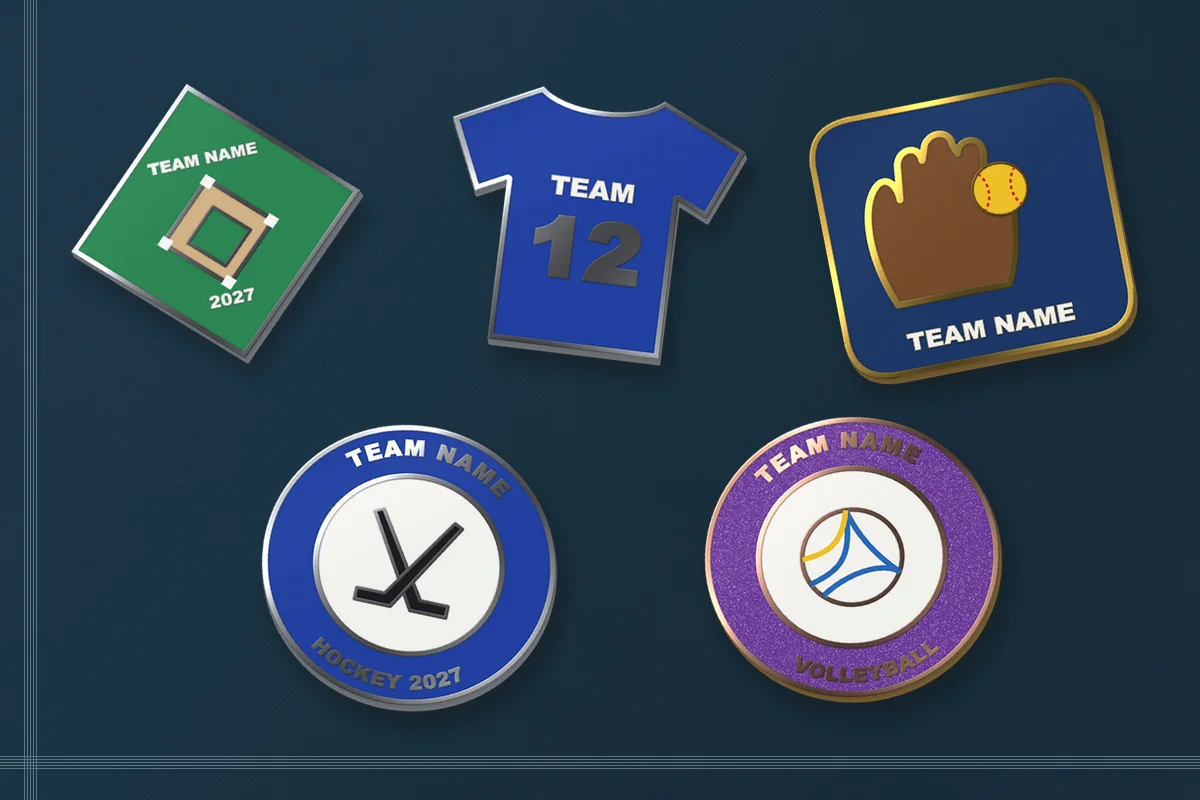
Sports Trading Pins Collection: product animation of designs from our collection.
Written by the Enamelore team, who proof every order. Questions about this guide? Email hello@enamelore.com.